Collection: Face Serums
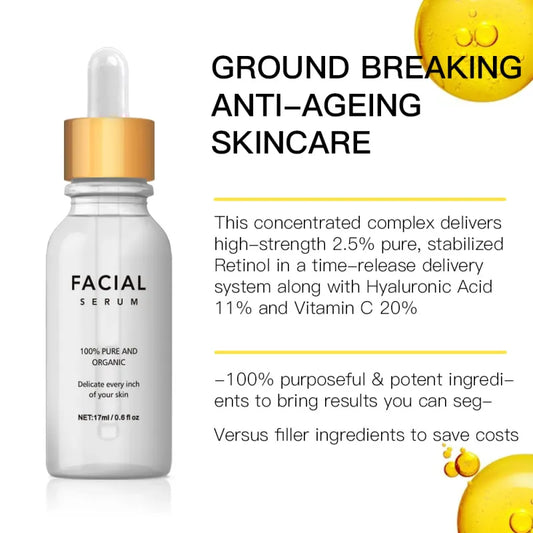
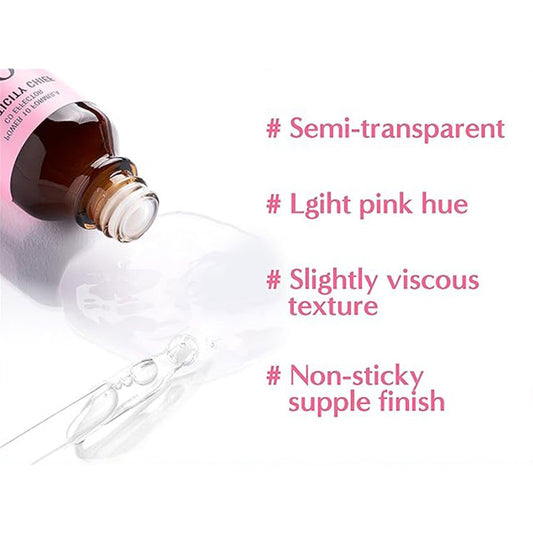
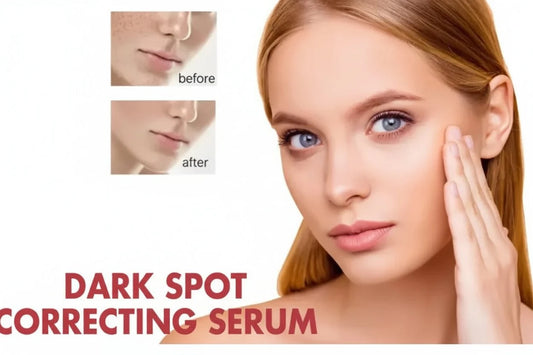
Vitamin C, retinol, niacinamide, hyaluronic acid, azelaic acid, and bee venom serums — high-concentration actives in lightweight, fast-absorbing formulas. Targeted results for brightening, firming, and hydrating every skin type.
<div class="dynamic-checkout__content" id="dynamic-checkout-cart" data-shopify="dynamic-checkout-cart"> <shopify-accelerated-checkout-cart wallet-configs="[{"supports_subs":true,"supports_def_opts":false,"name":"shop_pay","wallet_params":{"shopId":89292341570,"merchantName":"Canvia","personalized":true}},{"supports_subs":false,"supports_def_opts":false,"name":"paypal","wallet_params":{"shopId":89292341570,"countryCode":"CA","merchantName":"Canvia","phoneRequired":true,"companyRequired":false,"shippingType":"shipping","shopifyPaymentsEnabled":true,"hasManagedSellingPlanState":null,"requiresBillingAgreement":false,"merchantId":"FFATK9HPL4ATU","sdkUrl":"https://www.paypal.com/sdk/js?components=buttons\u0026commit=false\u0026currency=CAD\u0026locale=en_US\u0026client-id=AexZEtAxk09Ncgj6FSWFFyGKbxxAZ_LTyJ2DPdJWl1YUlecinmc5AfIaRF2qYjWlusWahlzz6SVkY5Ci\u0026merchant-id=FFATK9HPL4ATU\u0026intent=authorize"}}]" access-token="e24f56b5754700189958270b2271cd1b" buyer-country="CA" buyer-locale="en" buyer-currency="CAD" shop-id="89292341570" cart-id="e3cb3e67b9d536114a1696d7b45c258e" enabled-flags="["6d1811c1","dd4837d9","65f06d73"]" > <div class="wallet-button-wrapper"> <ul class='wallet-cart-grid wallet-cart-grid--skeleton' role="list" data-shopify-buttoncontainer="true"> <li data-testid='grid-cell' class='wallet-cart-button-container'><div class='wallet-cart-button wallet-cart-button__skeleton' role='button' disabled aria-hidden='true'> </div></li><li data-testid='grid-cell' class='wallet-cart-button-container'><div class='wallet-cart-button wallet-cart-button__skeleton' role='button' disabled aria-hidden='true'> </div></li> </ul> </div> </shopify-accelerated-checkout-cart> </div>